
How to Boost Your Productivity with Effective Time Management Techniques
Struggling to get everything done in a day is a common challenge. Many people feel overwhelmed by their to-do lists and find it hard to focus on what really matters. The key to turning this around lies in mastering time management. When you manage your time well, you can increase your productivity, reduce stress, and create space for what you enjoy. This post shares practical steps to help you organize your day better and use tools that keep you on track.

Start with Clear Priorities
Before diving into tasks, decide what matters most. Not all tasks have equal value. Some contribute directly to your goals, while others are distractions. To boost productivity, focus on high-impact activities first.
List your tasks for the day or week.
Identify the top three tasks that will move you forward.
Use a task tracker to keep these priorities visible.
For example, if you are a writer, your top tasks might be drafting an article, researching a topic, and editing a previous piece. By focusing on these, you avoid spending too much time on less important activities like checking emails.
Break Tasks into Manageable Steps
Large tasks can feel intimidating and lead to procrastination. Breaking them into smaller steps makes them easier to handle and track.
Divide big projects into clear, actionable steps.
Assign deadlines to each step.
Check off completed steps in your task tracker.
Imagine you need to organize a workshop. Instead of just writing "organize workshop," break it down into booking a venue, preparing materials, sending invitations, and confirming attendees. This approach keeps you motivated and shows progress.
Use a Productivity Tool to Stay on Track
A productivity tool can help you organize your tasks, set reminders, and monitor your progress. There are many options available, from simple apps to comprehensive platforms.
Choose a tool that fits your style and needs.
Regularly update your tasks and deadlines.
Review your progress at the end of each day or week.
For instance, apps like Todoist or Trello allow you to create boards or lists where you can move tasks from "To Do" to "Done." This visual organizing helps maintain focus and gives a sense of accomplishment.
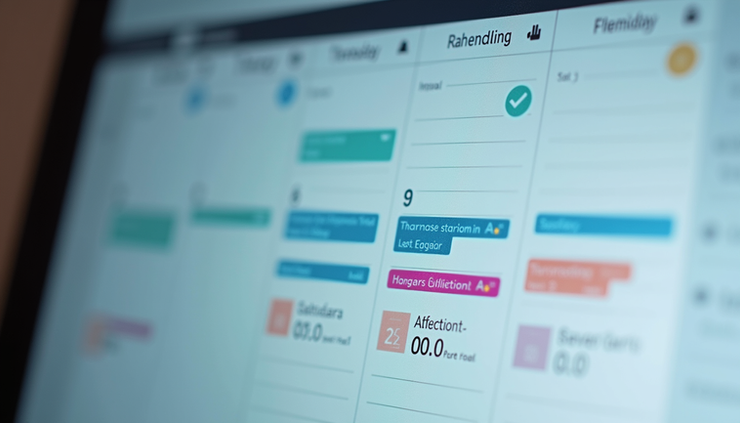
Set Time Blocks for Focused Work
Multitasking reduces efficiency. Instead, dedicate specific time blocks to different tasks or types of work. This method, often called time blocking, helps you concentrate and avoid distractions.
Allocate fixed periods for each task or group of tasks.
Include breaks to rest and recharge.
Use alarms or timers to stick to your schedule.
For example, you might set 9 to 11 a.m. for writing, 11 to 11:30 a.m. for emails, and 11:30 a.m. to 12 p.m. for planning. This clear structure helps your brain focus on one thing at a time.
Keep Your Workspace Organized
An organized workspace supports an organized mind. Clutter can distract you and slow down your work.
Keep only essential items on your desk.
Use folders or trays to sort papers.
Regularly clean and rearrange your space.
A tidy environment makes it easier to find what you need and reduces the time spent searching for materials. This simple step improves your overall efficiency.
Review and Adjust Your Plan Daily
Time management is not a set-it-and-forget-it process. Your priorities and tasks can change, so review your plan regularly.
At the end of each day, check what you accomplished.
Adjust your task list and time blocks for the next day.
Reflect on what worked and what didn’t.
This habit helps you stay flexible and realistic. It also encourages continuous improvement in how you organize your time.

Final Thoughts on Boosting Productivity
Enhancing productivity is an ongoing journey that requires persistence and adaptability. By implementing these strategies, you can create a more efficient workflow, reduce stress, and ultimately achieve your personal and professional goals. Remember, the key to productivity lies not just in working harder, but in working smarter.


Comments